OBC to Space

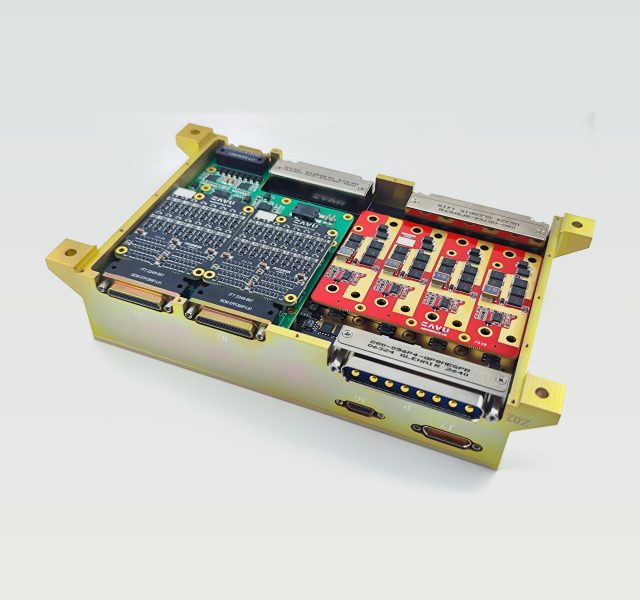
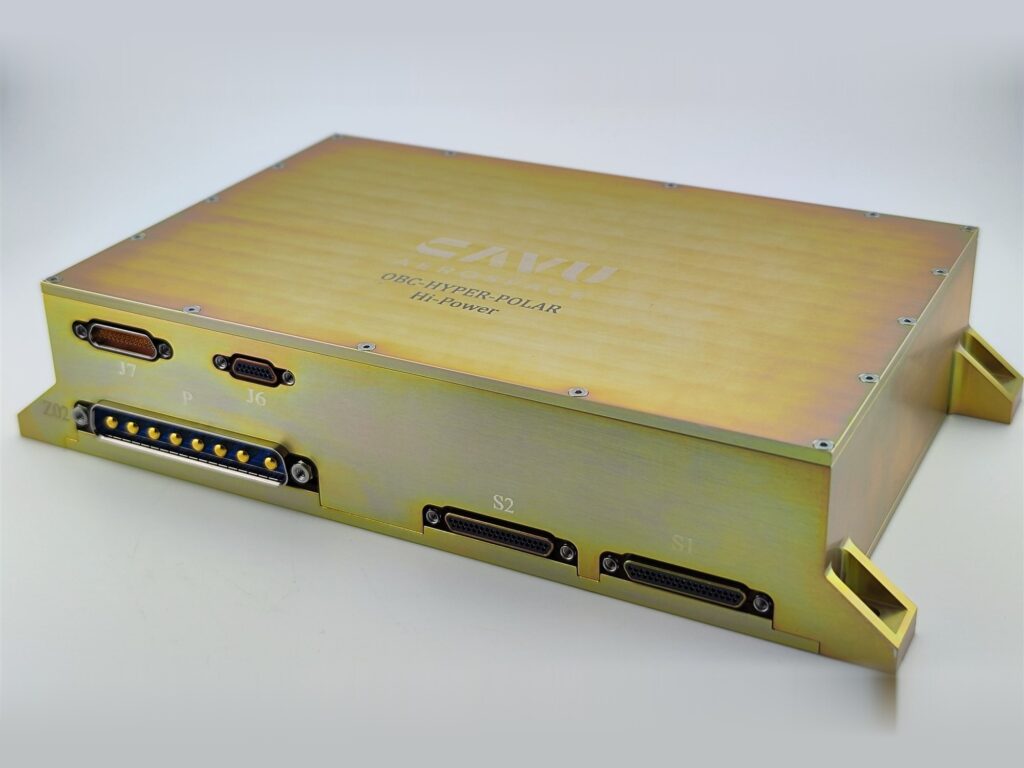
Zeron is developing the avionics for a launch vehicle. Our scope covers the flight computer hardware and firmware, the avionics interfaces to the vehicle’s sensors and actuators, and the downlink to the ground control station: telemetry and a live video stream. The system is built on CAVU Aerospace’s OBC-HYPER-Polar, a space-qualified on-board computer, extended with a dedicated add-on electronics stack that is integrated into the same enclosure. The client’s identity is withheld under NDA.

obc-header-centered

Production:

Engineering model (EM01) in integration

Communication:

RS-422, RS-485, CAN, Ethernet, SpaceWire, video downlink

Chip:

Microchip PolarFire SoC: 4× RISC-V U54 + FPGA fabric

Design & Engineering partner:

CAVU Aerospace UK

Development languages:

C, C++ (Zephyr RTOS, bare-metal)

Technical Deep-Dive


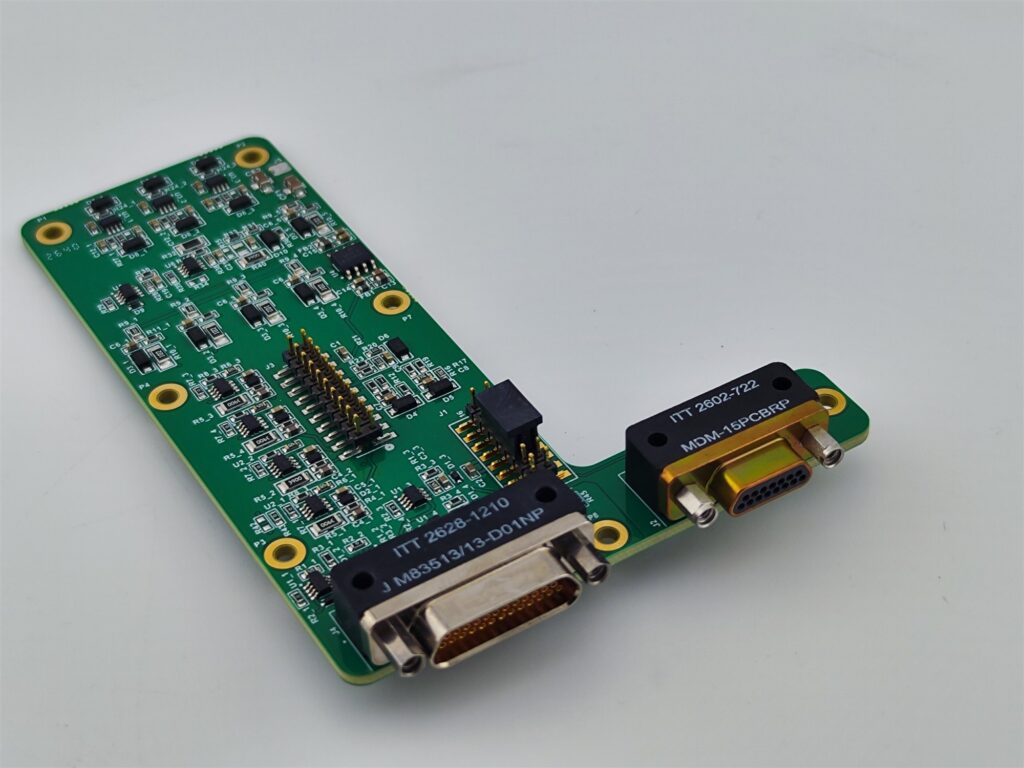
The add-on card is where the flight computer meets the hardware: the layer between the OBC and everything on the vehicle that has to be measured or moved.

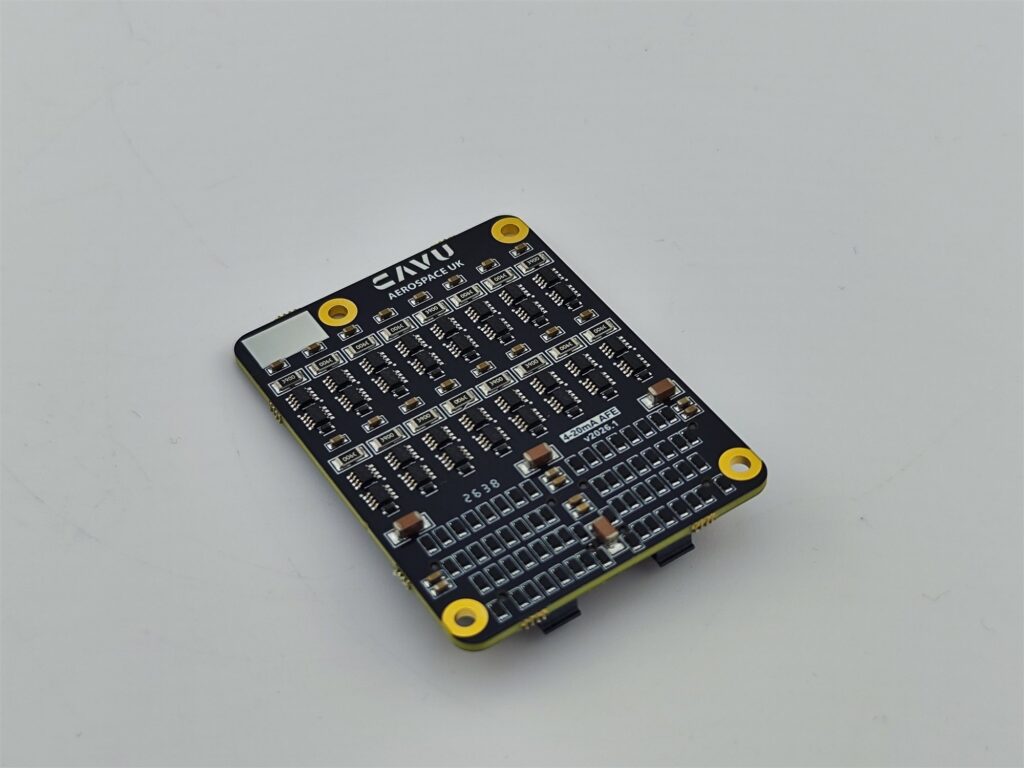
Sensing. Twenty 4–20 mA pressure transducers report the state of the propulsion system, digitised by two 16-channel ADCs: 32 channels, 20 in use and 12 held in reserve. Alongside them, 4–5 decoupled temperature channels run on a sigma-delta ADC at 1–10 Hz. Each channel accepts a thermocouple with cold-junction compensation, a thermistor or a 4–20 mA sensor, so the sensor choice can stay open late in the design.

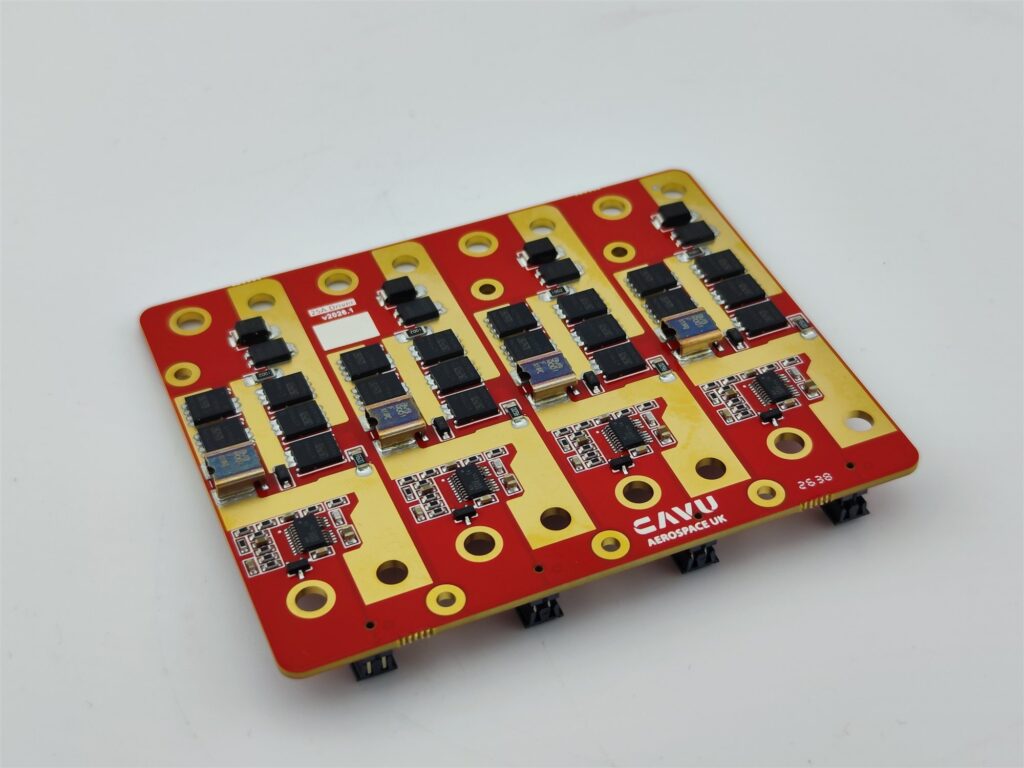
Actuation. Smart high-side drivers switch 8 solenoid valves at 24 V / 4 A, and 6 more protected outputs serve auxiliary loads. The toughest job belongs to the 4 thrust vector control (TVC) actuators: each one pulls a 45 A inrush within 100 µs, so each gets its own hot-swap and precharge control and a dedicated hold-up capacitor bank, keeping the bus steady when the actuators fire.

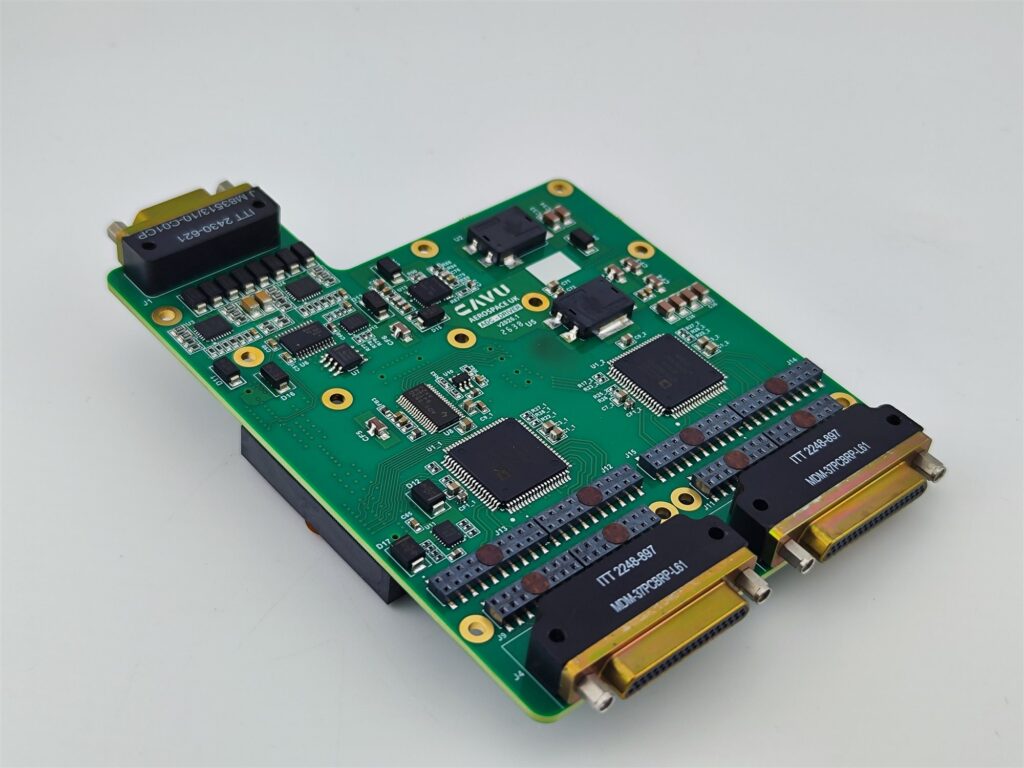
Power and link. Separate 24 V and 36 V buses come in through input filtering and TVS protection, and a single board-to-board connector carries 56 GPIO lines at 3.3 V, single-ended or differential, straight into the PolarFire SoC.
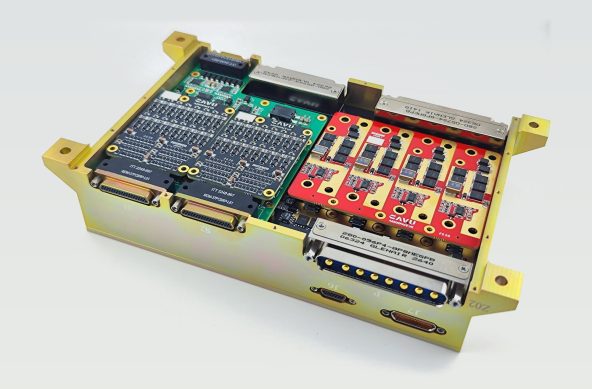
We decided not to design the computer core from scratch. We evaluated existing flight computers against three criteria and selected CAVU Aerospace’s OBC-HYPER-Polar.

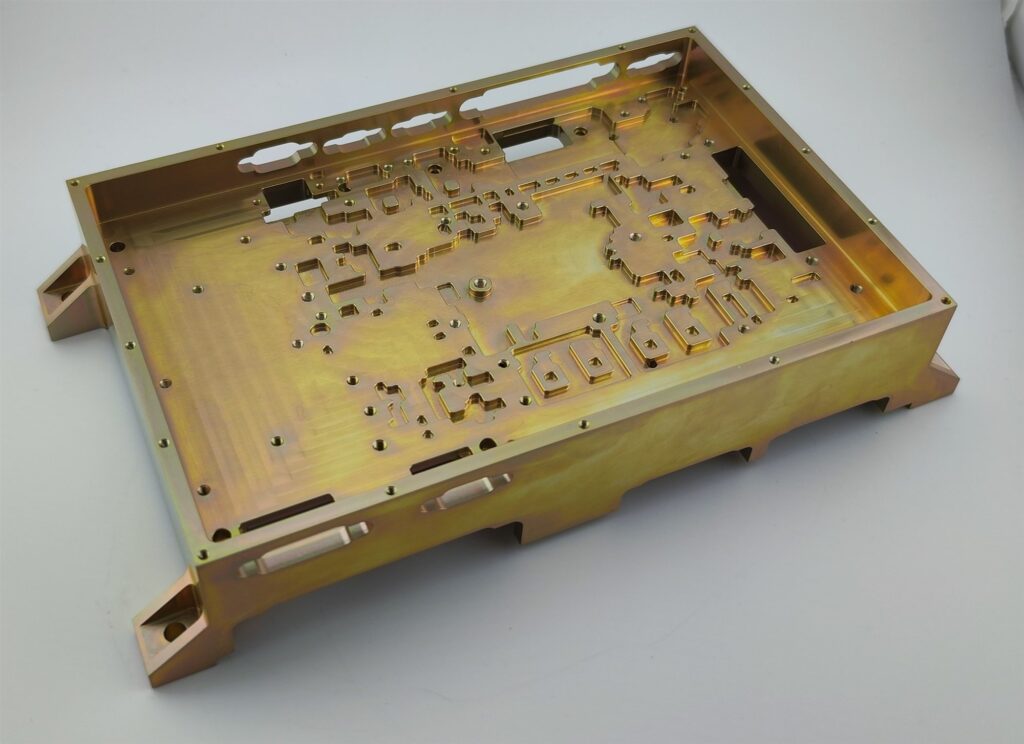
Robustness. A machined aluminium enclosure qualified to the European space standard (ECSS) for vibration, shock and thermal vacuum, with radiation tolerance and error-correcting memory for reliable operation in flight.

Processing headroom. A Microchip PolarFire SoC with four RISC-V cores: three run Zephyr RTOS and one runs bare-metal real-time control, with FPGA fabric alongside for deterministic I/O.

Fast, deterministic start-up. The FPGA is flash-based, so it is configured the moment power is applied, with no external bitstream to load. That meets the client’s sub-second boot requirement, which few flight computers in this class can do.

The partnership. Zeron spent two months defining the add-on requirements; CAVU then built the add-on electronics into the OBC enclosure.

Explore Our Other Projects